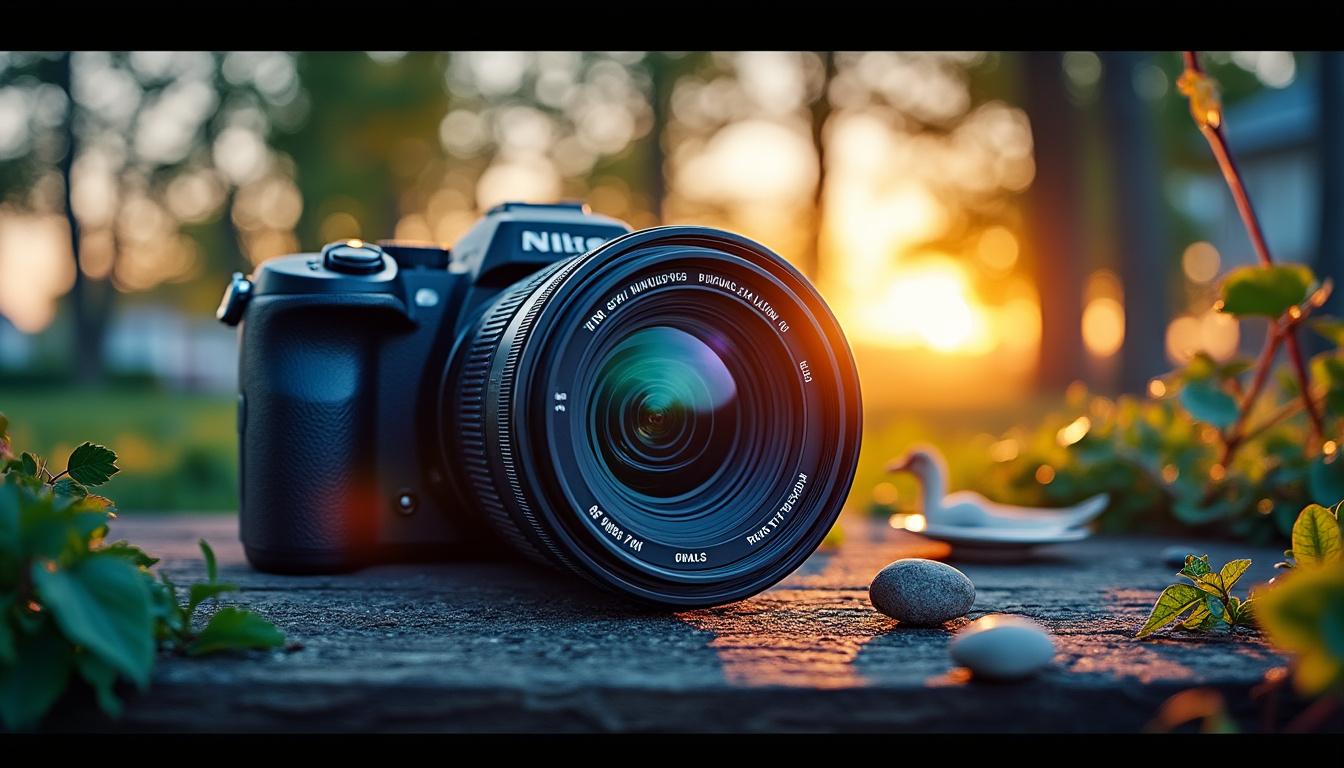
Photography is an art that combines technique and sensitivity. Among its many aspects, depth of field is often one of the most mysterious for beginners. Yet, it plays a crucial role in composition and visual expression. In this article, we will explore in depth this fundamental concept that can make all the difference in your images.
Depth of Field: An Essential Introduction
Depth of field (DOF) can be defined as the distance between the closest and farthest elements in a scene that appear sufficiently sharp. In other words, it is the area of sharpness that can be perceived through the camera’s viewfinder. This concept is particularly important for the photographer, as it allows them to choose what will be highlighted and what will be blurred. When focusing on a subject, it is observed that the area of sharpness is generally distributed unevenly: about one-third in front of the subject and two-thirds behind.
Mastering depth of field is crucial for all types of photography. Whether you are passionate about portrait, landscape, or macro photography, understanding how to manipulate this depth can significantly enhance your images. On this note, it is important to discuss the three major factors that influence depth of field, namely aperture, focus distance, and the focal length of the lens used.
Factors Influencing Depth of Field
To fully understand depth of field, it is essential to know the key factors that influence it:
- Aperture: This is the most determining factor. A large aperture (for example, f/1.8) reduces depth of field, creating a blurred background, which is perfect for portraits. Conversely, a small aperture (f/16 or f/22) increases depth of field, making more elements in the scene sharp, ideal for landscape photography.
- Focus Distance: The closer you get to a subject, the shallower the depth of field becomes. This is particularly evident in macro photography, where a slight movement can make a big difference.
- Focal Length of the Lens: Long focal lengths (beyond 50 mm) also reduce depth of field, while wide angles extend it, allowing for greater sharpness.
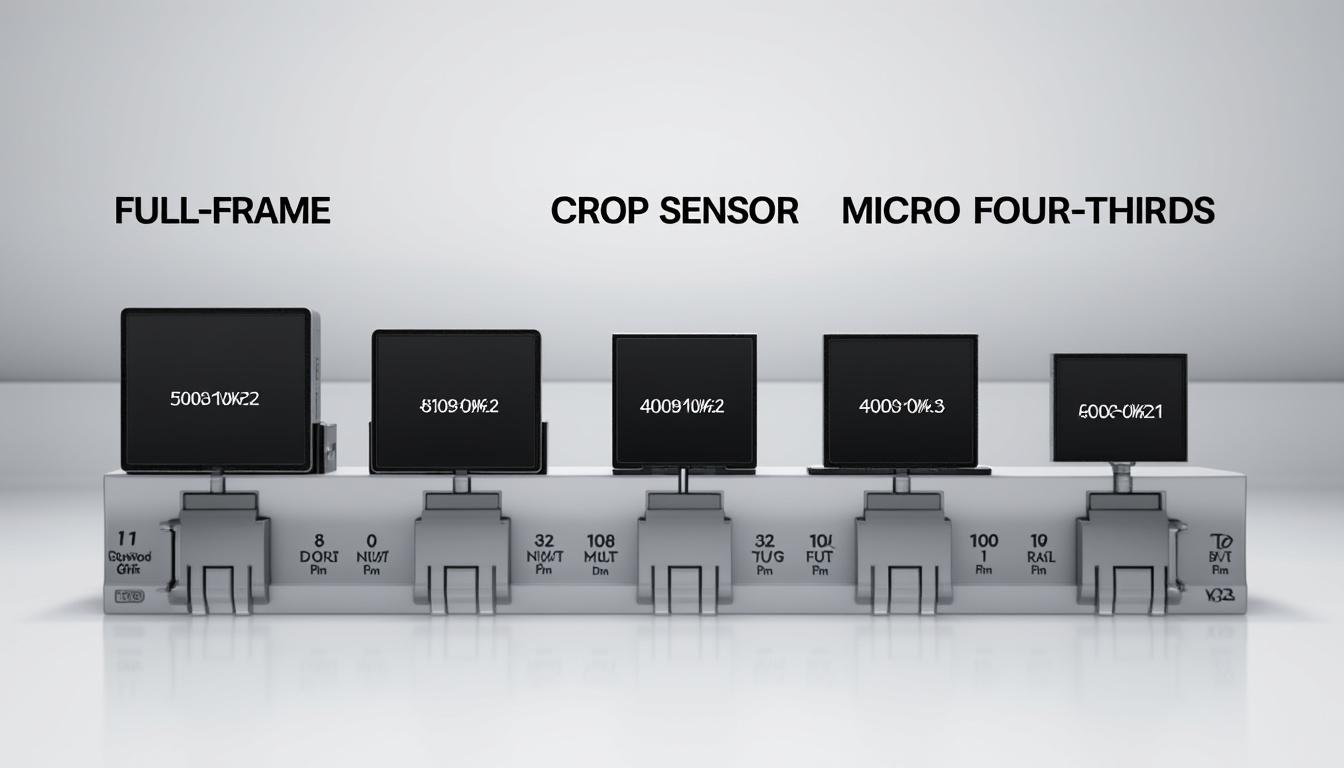
It is also interesting to note that the type of camera sensor (full-frame, APS-C, etc.) affects depth of field. Generally, a larger sensor produces a shallower depth of field, while a smaller sensor offers a wider area of sharpness. This is crucial to consider when using different equipment.
Understanding Aperture and Its Impact
Let’s start with one of the most crucial elements of photography: aperture. Measured in f-stops, the aperture regulates the amount of light that enters the camera. A small f-number (e.g., f/1.4) means a large aperture that lets in more light, while a large f-number (e.g., f/16) indicates a small aperture that reduces the amount of light. This variation directly influences depth of field.
For example, photographing a portrait with an aperture of f/2.8 will allow you to isolate the subject with a beautiful background blur, thus highlighting the person’s features. Professional photographers often use this technique to create images that capture attention, as seen in the works of experts like Annie Leibovitz, who is notoriously famous for her strong portrait style.
Conversely, for a rural scene or landscape, it is preferable to use a small aperture (f/11 or f/16) to increase depth of field so that every detail is sharp.
| Aperture | Depth of Field | Usage |
|---|---|---|
| f/1.8 | Shallow | Portraits with blurred background |
| f/4 | Medium | Street photography |
| f/8 | Large | Landscape photography |
| f/16 | Very large | Architectural scenes |
Focal Length: Another Key Factor
The second essential factor affecting depth of field is focal length. The longer the focal length you use, the shallower the depth of field will be, even at relatively small apertures. For example, a 200 mm telephoto lens can create a beautiful blur effect, even at f/5.6, which is highly sought after in wildlife or fashion photography.
In contrast, short focal length lenses, such as a 24 mm lens, allow for a much wider depth of field. This is mainly due to how images are captured: using a wide focal length, the entire scene generally remains sharp, which is crucial for types of photography like landscapes or architecture where it is important to show all the details of the scene.
- Long focal lengths (50mm and above): Beautiful blurred images, perfect for portraits.
- Short focal lengths (less than 35mm): Excellent depth of field for landscapes.
- Zooms: Flexibility in composition, but be careful with depth of field manipulation.
Impacts of Focus Distance
The distance at which you focus also plays a crucial role in depth of field. Generally, the farther you are from your subject, the greater the depth of field will be. Conversely, if you get closer to your subject, the depth of field decreases. For example, when taking macro photographs, this phenomenon is particularly pronounced, making depth of field management crucial to capturing the desired details.
A common approach is to position yourself a few centimeters from the flower you want to photograph. This technique allows for incredibly sharp details but requires extreme precision. Photographers like David Hobby, known as Strobist, often use this technique to capture the unique texture of the objects they photograph.
| Focus Distance | Impact on Depth of Field | Photography Examples |
|---|---|---|
| 0.5 m | Shallow depth of field | Macro photography |
| 1 m | Medium depth of field | Portraits |
| 10 m | Large depth of field | Landscape photography |
The Role of Sensor Size
For photographers, understanding the impact of sensor size is essential, as it can significantly modulate depth of field. Generally, the larger the sensor, the shallower the depth of field. For example, a full-frame camera like the Canon EOS 5D tends to produce a narrower depth of field than other systems with APS-C sensors.
This means that if you are photographing with a full-frame sensor camera, you will have the ability to create images with a softer bokeh. Conversely, smaller sensors widen the area of sharpness, which is an asset in certain photography styles.
- Full-frame: Less depth of field, creating blurred backgrounds.
- APS-C: A wider depth of field, ideal for macro and landscapes.
- Micro 4/3: Specific applications, often in professional fields.
Tools to Calculate Depth of Field
If you want to better understand your depth of field, several online tools can help you simulate and calculate this depth. Applications like DofSimulator allow photographers to experiment with different parameters such as focal length, aperture, and focus distance.
These tools are not only very useful for beginners, but they also offer features for experienced photographers looking to refine their technique. For example, by adjusting the parameters, you can see how depth of field changes visually, which can be an excellent way to plan shots in advance.
| Application | Features | Link |
|---|---|---|
| DofSimulator | Depth calculation, bokeh simulation | Visit DoF Simulator |
| Photopills | Composition planning, depth calculation | Visit Photopills |
| Calculator Online | Simple depth calculations | Visit Calculator Online |
What is depth of field?
It is the area of a photograph that appears sharp in front of and behind the focus point.
How does aperture influence depth of field?
A large aperture decreases depth of field while a small aperture increases it.
What is the importance of the sensor in mastering depth of field?
Larger sensors like those from Canon or Nikon generally offer a shallower depth of field.
Why is focus distance crucial?
The closer you get to a subject, the shallower the depth of field, which can create background blur.
How can I test depth of field on my camera?
Use the depth of field preview mode on your camera to see how the sharp area will appear.