
An innovative health clinic is defined by its ability to integrate recent technologies, protocols validated by clinical research, and care pathways rethought around the patient. In Lyon, several establishments concentrate on these three dimensions, supported by a dense medical ecosystem and a strong regional dynamic in medtech.
Phage Therapy and Clinical Research: Lyon at the Forefront
Phage therapy, or bacteriophage treatment, uses natural viruses capable of targeting and destroying antibiotic-resistant bacteria. This approach is still not widely accessible in France due to the lack of an appropriate industrial framework.
The Hospices Civils de Lyon took a decisive step by obtaining, in 2026, a manufacturing authorization for pharmaceutical raw materials intended for therapeutic bacteriophages. This advancement brings phage therapy closer to a regulated clinical use, directly at the patient’s bedside.
This type of research illustrates Lyon’s position in the development of treatments against resistant infections. Establishments like clinique-sauvegarde.fr participate in this ecosystem by offering technical platforms compatible with the requirements of research and specialized care.
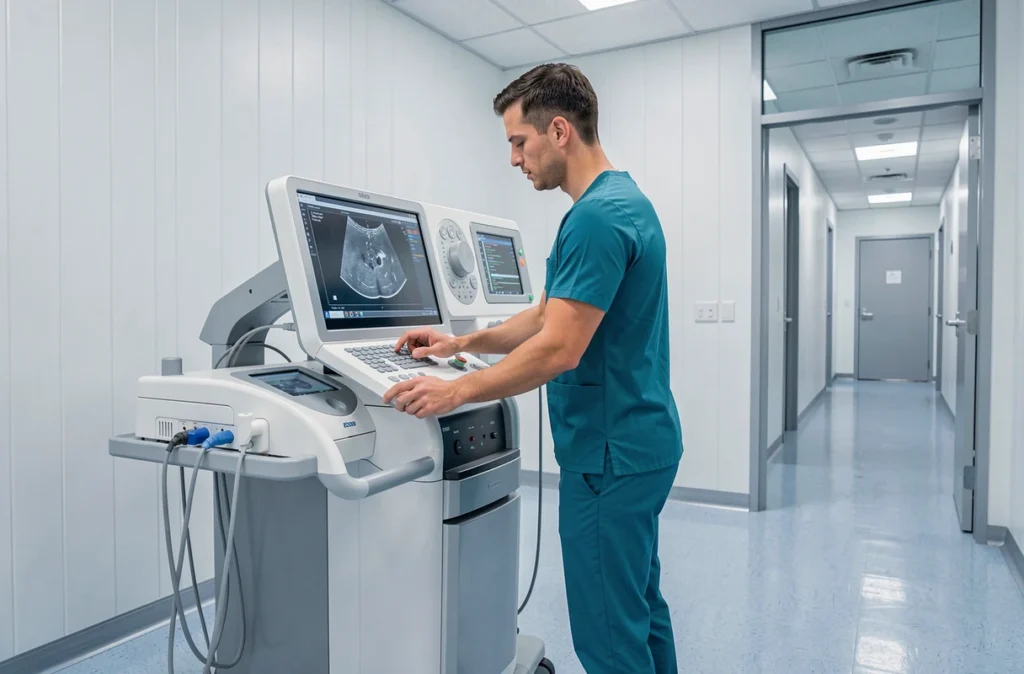
Robot-Assisted Surgery in Lyon: Beyond Simple Robotization
Robot-assisted surgery is not limited to a mechanical arm guided by a surgeon in the same room. The current trend is moving towards teleoperated surgery, where the practitioner intervenes remotely via a connected robot.
In Europe, the first intra-European remote surgeries were performed in 2025 thanks to the Toumai robot. This milestone marks a break from traditional operating room robotics: the surgical act now crosses borders, framed by enhanced safety protocols.
What This Means for Lyon Patients
A patient treated in a Lyon clinic equipped with this technology can benefit from the expertise of a surgeon located in another country, without transfer or travel. This also opens the door to real-time perioperative consultations between distant teams.
Clinics investing in these robotic platforms do not just purchase equipment. They train their teams, adapt their operating rooms, and participate in surgical data registries to evaluate long-term outcomes.
2026 Code of Ethics and Medical Artificial Intelligence
Decree No. 2026-691 of July 27, 2026, amended the Medical Code of Ethics by incorporating specific obligations related to digital technology. The physician must ensure the safety, quality of care, and confidentiality of data when using teleconsultation tools or generative artificial intelligence.
This update, which came into effect on July 30, 2026, reflects a regulatory awareness. AI tools are multiplying in Lyon’s health services, whether for diagnostic assistance in oncology, sorting medical images, or personalizing treatments.
Concrete Consequences for Clinics
An establishment deploying an AI tool must now document the precautions taken and inform the patient. Here are the main obligations introduced by the new framework:
- Verify that the digital tool used complies with current confidentiality standards before any clinical use
- Inform the patient of the use of an AI or teleconsultation device in their care, including for preventive actions
- Maintain traceability of algorithm-assisted decisions, allowing for human medical oversight at every stage
These requirements do not slow down innovation. They structure it. Lyon clinics that integrate these rules from the design of their digital pathways gain reliability and trust from patients.
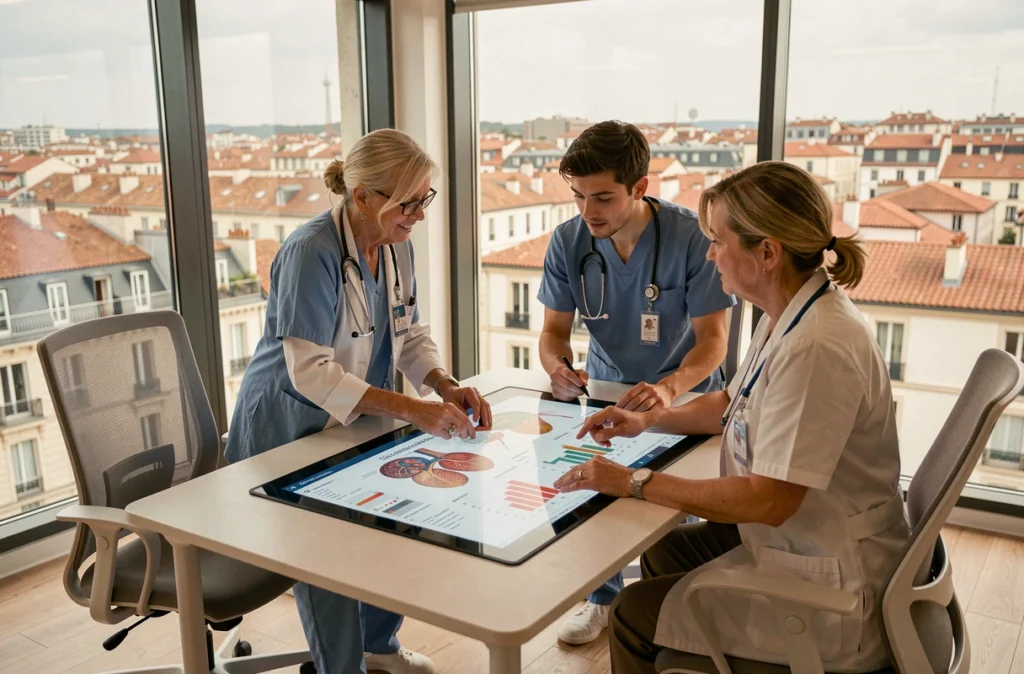
Patient Pathway in Oncology: Integrated Prevention, Treatment, and Research
Lyon remains a major hub for oncology in France, with establishments covering the entire pathway, from prevention to post-treatment follow-up. The uniqueness of innovative clinics lies in the integration of clinical research directly into the care pathway.
A patient being treated for cancer may be offered inclusion in a therapeutic trial without changing establishments. This continuity reduces delays, limits care disruptions, and allows for quicker access to next-generation treatments.
Clinical Research and Dedicated Units
Several Lyon structures have integrated clinical research units within their organization. The Médipôle Hôpital Mutualiste has recently strengthened its clinical research unit, illustrating this trend of bringing research closer to the patient’s bedside.
The areas covered range from oncology to cardiovascular diseases, including infectious diseases. Each trial follows a protocol validated by an ethics committee, and patients are informed of each step before inclusion.
- Access to molecules or devices not yet available in routine clinical practice
- Enhanced follow-up with more frequent consultations and additional assessments
- Direct contribution to advancing medical knowledge, benefiting future patients
This model, where care and research coexist in the same place, distinguishes the most advanced Lyon establishments. It requires considerable human and logistical investment but produces measurable results in terms of quality of care.
The Lyon health ecosystem is not just an addition of modern technical platforms. What characterizes it is the articulation between research, updated regulatory frameworks, and cutting-edge technologies, serving a coherent patient pathway. The July 2026 decree and advancements in phage therapy or teleoperated surgery outline a medical landscape where innovation is measured as much by the rigor of its framework as by the novelty of its tools.