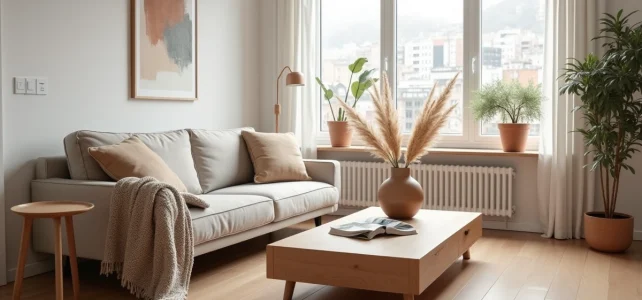
A living room wall repainted in terracotta two years ago is starting to feel stale, the modular sofa purchased during lockdown is showing its limits, and we wonder what to change without tearing everything apart. This season’s home trends address this kind of concrete situation: they don’t require major renovations, but rather a fresh look at often neglected surfaces and areas.
Decorative Ceilings: The Overlooked Surface
We spend hours choosing a wall color, but the ceiling remains white in most interiors. Houzz data for 2026 shows a significant increase in projects featuring wallpapered, painted, or wood-clad ceilings. Wallpaper on the ceiling, exposed beams highlighted, limewash finishes that create a cocooning effect from floor to ceiling: the fifth wall becomes a style marker.
In practical terms, one can test the idea without heavy commitment. A bedroom ceiling painted in a darker shade than the walls (deep ochre, sage green, warm brown) alters the perception of volume and creates a cozy atmosphere. For those following Newsyoung’s home updates, this type of targeted intervention illustrates how a simple gesture can transform an entire room.
Opinions vary on this point: in a room with low ceilings, a color that is too dark can overwhelm the space. It’s better to reserve saturated hues for rooms with above-average height, or opt for light textures (bleached wood, subtly patterned wallpaper) in more compact areas.
Invisible Storage and Fluid Circulation in the Home
Visual clutter is exhausting. The 2026 decoration trends go beyond simply placing a storage unit against a wall. We’re talking about storage integrated into the architecture: under-stair areas transformed into pantries, sliding panels that conceal a laundry room, niches built into the partitions.
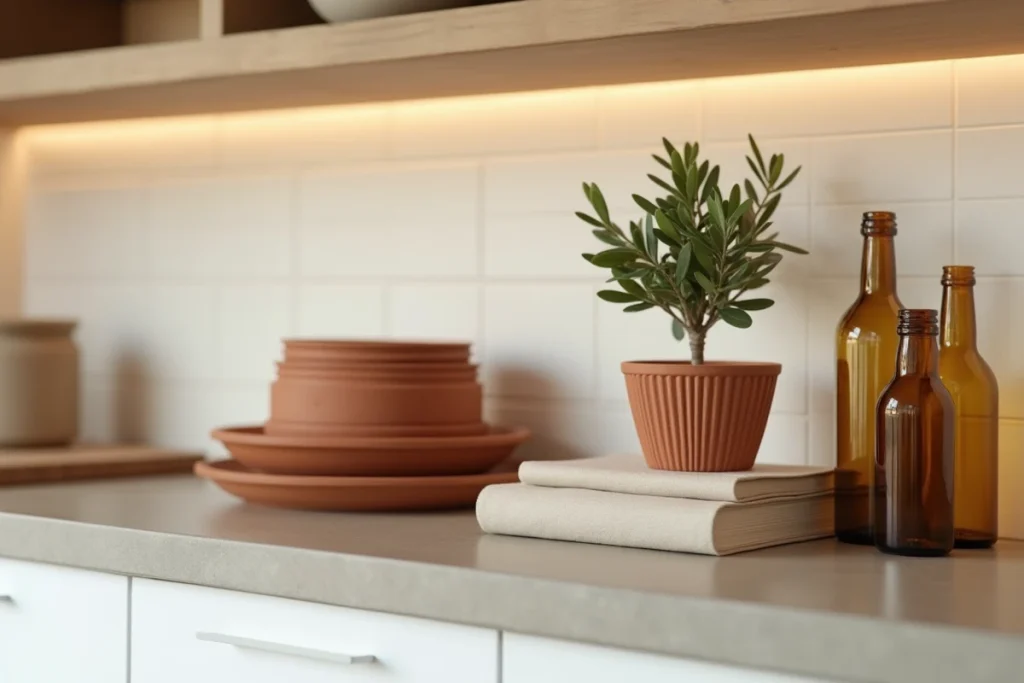
In the kitchen, the appliance garage concept is developing. The idea: closed compartments at countertop height that hide the stand mixer, kettle, toaster. The countertop remains clear, making the kitchen feel like a true living space rather than an appliance warehouse.
The Broken Plan Instead of Total Open Space
Fully open spaces are showing their limits (noise, cooking odors, lack of privacy). The current response is the broken plan: partial partitions, low glass walls, bookshelf units that separate without closing off. Spaces are articulated instead of merged or divided.
- A half-height partition between the kitchen and living room filters odors while keeping the light.
- A low unit open on both sides serves as a separator and storage without blocking circulation.
- Sliding panels in wood or ribbed glass allow for closing off a workspace in the evening and opening it in the morning.
This type of layout requires thinking about circulation before choosing furniture. One traces the daily path (entry, kitchen, table, sofa) and places the separations accordingly, not the other way around.
Earthy Colors and Raw Materials: Timeless Choices
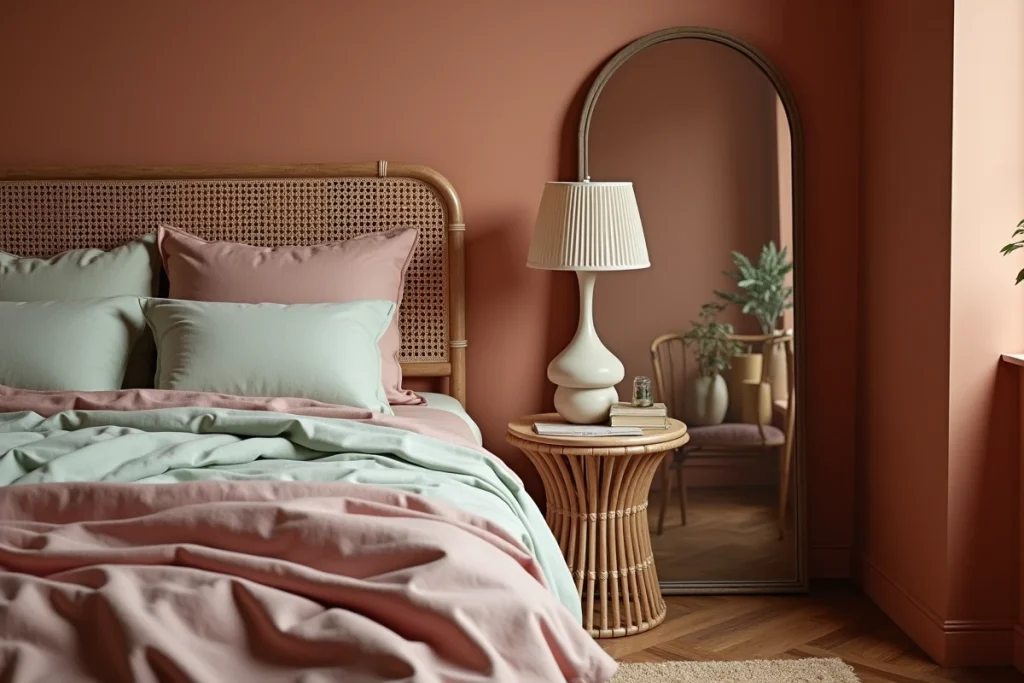
Color palettes change quickly. The one that has been dominant for several seasons has an advantage: it doesn’t go out of style in six months. Warm and earthy tones (terracotta, ochre, brown, olive green) serve as a durable base. Whether on walls or in textiles, they easily pair with neutrals (off-white, beige, warm gray) without creating visual conflict.
In terms of materials, the home trend confirms the return of raw. Unvarnished solid wood, artisanal ceramics, crumpled linen, patinated brass. These natural materials age well, which is important when investing in furniture or coverings.
Where to Place Color for Maximum Impact
Painting everything terracotta would be a mistake. The effective strategy in interior decoration is to concentrate strong color in a specific area:
- A wall behind the sofa or headboard, paired with cushions in the same color scheme.
- An accent piece (buffet, entry console) in a bold hue, while the rest of the room remains neutral.
- Seasonal textiles (curtains, throws, rugs) that are easy to replace if the color becomes tiresome.
Focusing on textiles rather than paint allows for a change in atmosphere without breaking out the brushes. A boucle wool throw, two dyed linen cushions, and a woven rug are enough to shift a living room from a fresh atmosphere to a more enveloping one.
Technical Rooms Designed as Living Spaces
The kitchen is no longer the only technical space that deserves attention. In 2026, the laundry room, pantry, and even the interior garage are being rethought with the same care as the living room. Graphic tiles on the laundry room floor, wooden countertops in the pantry, well-designed lighting above the washing machine: every square meter of the home becomes a true living space.
This approach changes how we choose materials. We no longer relegate low-quality tiles to spaces we don’t show. A quality porcelain stoneware in the laundry room costs only slightly more than vinyl, but lasts much longer and gives a completely different impression.
Current decor trends share a common thread: they start from real usage, not a fashion effect. A painted ceiling that transforms a bedroom, storage that disappears into the wall, a color placed in the right spot, a laundry room that one is no longer ashamed to show. Furniture and styles may come and go, but choices that improve daily life remain.