
Renovating a room, redoing a terrace, or sanding a floor often requires equipment that won’t be used again for years. Buying a concrete sander or scaffolding for a single project means paying a high price for just a few days of use. Renting quality equipment offers a practical alternative to reduce the renovation budget without sacrificing results.
Break-even point: when renting is cheaper than buying
Before comparing quotes, one question deserves to be asked: how many hours will you actually use this equipment? Recent technical guides place the break-even point between 600 and 800 hours of annual use. Below this threshold, renting is more economical than buying, once storage, insurance, and maintenance costs are factored in.
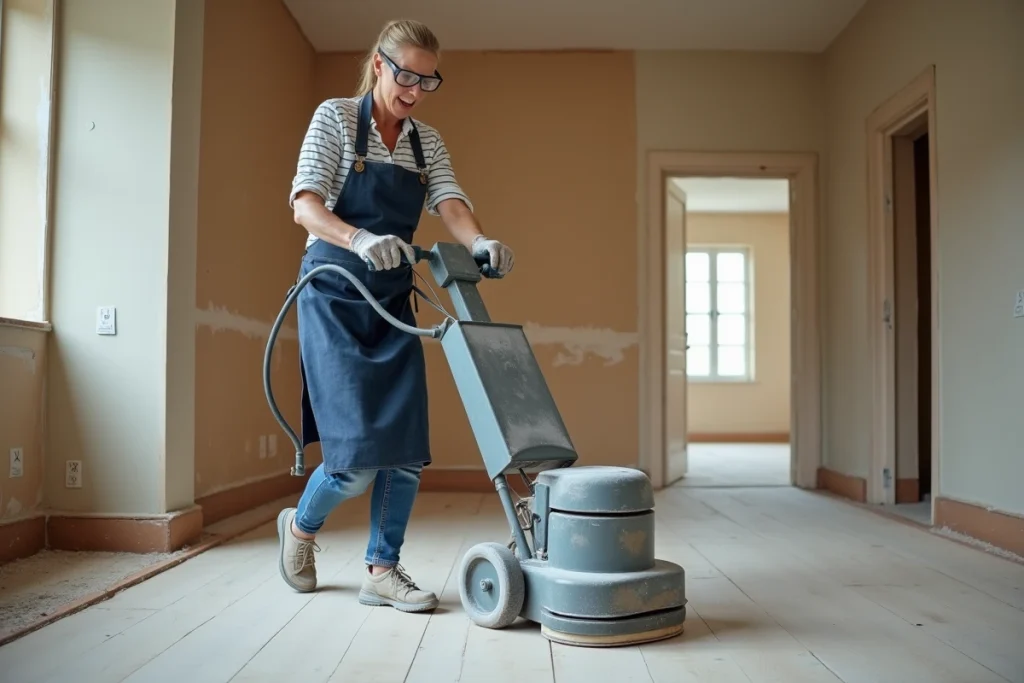
For a homeowner renovating their house, this threshold is almost never reached. Renting a floor router for three days costs a fraction of the price of a new purchase. And once the project is finished, no tool sits unused at the back of the garage losing value.
The global construction equipment rental market illustrates this trend: estimated at around $132 billion in 2025, it is expected to exceed $229 billion by 2032. This growth reflects a shift towards less capital-intensive solutions for both professionals and individuals.
Comparing rates by duration and type of equipment has become simple thanks to equipment rental on Habitat Guides, which lists offers tailored to each renovation project.
Hidden costs of buying: storage, maintenance, and obsolescence
The displayed price of a tool represents only part of the actual expense. Have you ever noticed that a compressor bought five years ago requires servicing before each new project? These recurring costs weigh heavily on the total budget of a project.
Here are the costs that buying imposes and that renting eliminates:
- Storage and clutter: scaffolding or a concrete mixer takes up several square meters. Without suitable storage, equipment deteriorates faster and loses reliability.
- Preventive maintenance: filters, oil, wear parts – each machine requires regular maintenance. The rental company takes care of these operations between rentals.
- Rapid depreciation: construction equipment loses a significant portion of its value in the first few years. When renting, this financial risk disappears.
- Specific insurance: insuring professional equipment at home incurs additional premiums. Rental contracts generally include appropriate coverage.
Adding up these costs often reveals a price gap much greater than what the daily rental rate suggests. For a one-time renovation project, buying costs two to three times more than renting once all expenses are accounted for.
Rental duration and planning: the lever that individuals overlook
Renting equipment without planning your project means paying for days of inactivity. The duration of the rental is the main lever for savings, and it is determined even before picking up the machine.
Group tasks by type of equipment
Instead of renting a grinder on Monday, returning it, and then picking it up again on Thursday, group all the cuts into two consecutive days. This logic applies to every category of tool. A well-sequenced project plan reduces the rental duration by half.
Choose between short and long-term rental
Rental companies offer decreasing rates. A weekly rental often costs less than five daily rentals. Why does this choice matter? Because a residential renovation project rarely spans just one day.
Take the time to list each step of the project, the estimated duration of each task, and then negotiate a suitable package. The price difference between a cumulative daily rate and a weekly package can represent several tens of percent in savings.

Quality of rented equipment: a direct impact on the final cost of the project
A low-quality tool slows down work. A drill that lacks power requires multiple passes. A poorly calibrated sander leaves marks that necessitate rework. Professional-grade equipment, accessible through rental, speeds up each step and minimizes errors.
At most specialized rental companies, each machine undergoes a technical inspection upon return before being put back into circulation. This verification cycle ensures a consistent level of performance, far superior to that of a poorly maintained personal tool.
The quality of the equipment also influences material consumption. A properly dosed concrete mixer produces a homogeneous mix, avoiding cement waste. A well-sharpened cutter reduces breakage on tiles. Less wasted material means a lower material budget.
New or recent equipment: a criterion to check
Not all rental companies offer the same level of equipment. Before booking, check the year of service and the type of maintenance applied. A recent machine consumes less energy, vibrates less, and delivers better results.
If the rental company does not provide information about the condition of its fleet, ask directly. A serious professional will indicate the date of the last inspection and the number of hours each machine has been used.
Reducing the cost of your work does not only come from choosing the cheapest quote. Renting professional equipment impacts several areas at once: eliminating ownership costs, saving time on the project, and reducing material waste. The decisive criterion remains planning. A well-prepared project, with adjusted rental durations and suitable equipment, generates savings that are much more tangible than a simple comparison of purchase prices.