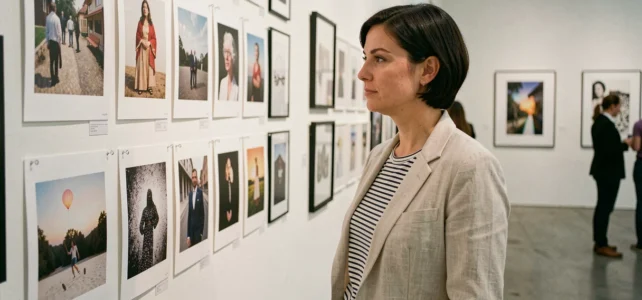
The cultural news of September 2026 is not limited to movie releases or Parisian openings. Several underlying movements are reshaping how the public accesses culture in France, from the revamped Pass Culture to libraries extending their hours, alongside a European consultation on artificial intelligence in the creative sector.
Pass Culture in 2026: new amounts and a focus on in-person experiences
The program has undergone a significant overhaul since March 2025, with fully visible effects this school year. Young people aged 18 now have 150 euros compared to 300 euros previously. Those aged 17 have seen their amount decrease from 100 to 50 euros.
The cap on digital spending has been lowered to a maximum of 50 euros for digital music, video games, audiobooks, and online press. The stated goal: to encourage young people towards physical cultural outings, live performances, exhibitions, and bookstores.
Since January 15, 2026, the app is available for free to all young people, even without remaining credit, and functions as a geolocated cultural agenda for 15-20 year-olds. This change transforms the Pass from a simple digital wallet into a local discovery tool. The news from Gone Magazine regularly covers these developments that directly impact the cultural practices of the younger generation.
The Pass is also expanding to new eligible areas: design, crafts, scientific, technical, and industrial culture. For families with a family quotient below 700 euros, an additional 50 euros is provided.
Libraries in France: extended hours and new digital services
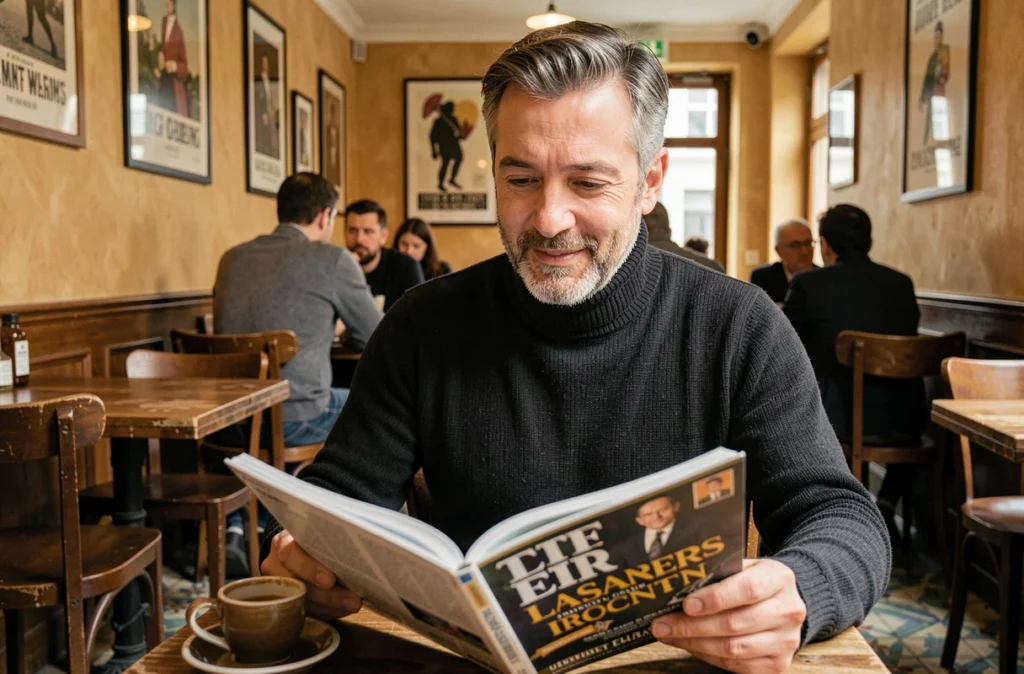
Municipal libraries are experiencing a steady increase in attendance. Several establishments have extended their opening hours and strengthened their digital offerings, with services for digital lending and dedicated mediation spaces.
This dynamic is not limited to large metropolitan areas. Medium-sized cities are investing in modernizing their media libraries, offering digital fabrication workshops, author meetings, and partnerships with local cultural organizations.
The phenomenon goes beyond reading. Libraries are becoming multifunctional cultural third places, hosting temporary exhibitions, screenings, and workshops for so-called underserved audiences. This transformation partly explains why they have, according to industry observers, never been more successful.
European Heritage Days: September 2026 edition
The 43rd edition of the European Heritage Days will take place on September 19 and 20, 2026. Organized under the auspices of the Ministry of Culture, this event opens the doors of thousands of sites usually closed to the public, from historical monuments to artisan workshops.
Every year, these days are one of the most attended cultural events in France. The 2026 edition emphasizes lesser-known locations:
- Converted industrial sites into contemporary art spaces, particularly in regional areas
- Heritage restoration workshops, open to showcase conservation techniques
- Unique heritage trails in medium-sized cities, designed in partnership with local tourist offices
For art and heritage enthusiasts, these two days remain the best free entry point to places that are not open for visits the rest of the year.
Artificial intelligence and the cultural sector: the European Commission consults
The European Commission has launched a call for contributions on its strategy for artificial intelligence applied to cultural and creative sectors. This consultation aims to gather opinions from professionals, institutions, and citizens on uses, risks, and desirable regulations.
The topic directly affects several disciplines. In music, generative tools raise questions about copyright on algorithm-assisted compositions. In visual arts, the boundary between human creation and automated production fuels an unresolved legal debate at the European level.
In France, the city of Strasbourg recently illustrated this tension by using AI-generated illustrations to present a renovation project for its opera. The choice sparked mixed reactions among architecture and design professionals.
On the museum side, the issue of data sovereignty, particularly for collections related to indigenous cultures, is the subject of specific discussions within ICOM. The challenge goes beyond mere digitization: it is about determining who controls the algorithmic exploitation of cultural heritage.
Media chronology and streaming: what is changing for cinema in France
The French audiovisual landscape continues to evolve under the influence of media chronology. Streaming platforms like Netflix can now release certain films after a reduced delay compared to historical windows. This shortening alters the economic balance between cinemas, television channels, and online services.
At the same time, the regulatory framework is tightening on other fronts:
- Two deputies have proposed banning restrictions on account sharing imposed by streaming platforms
- The blocking of pirate sports streaming sites is being studied at the European level, with a rapid blocking mechanism involving ARCOM in France
- The European DSA (Digital Services Act) imposes new transparency obligations on major platforms distributing cultural content
The diversity of cultural expressions in the face of recommendation algorithms remains a concern for industry professionals. Algorithms tend to favor high-audience content, at the expense of independent or niche productions.
The cultural season of September 2026 is unfolding as much in theaters and museums as in regulatory texts and digital tools. The transformed Pass Culture, evolving libraries, and the European consultation on creative AI: these underlying movements are shaping access to culture in France sustainably, far beyond the occasional events on the calendar.