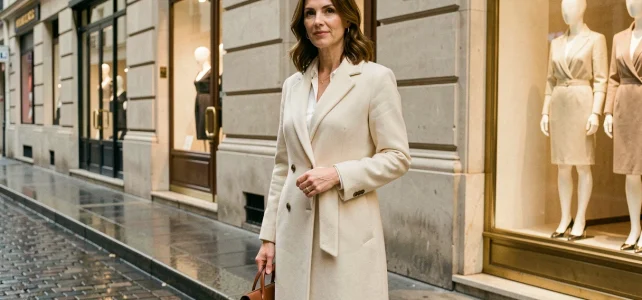
The BCG x Altagamma report published on July 23, 2026 confirms a structural shift: the growth of personal luxury is resuming, but it is driven almost exclusively by “Top Tier” clients. The concentration of spending at the high end is reshaping the priorities of luxury houses, from product design to retail. This year, we are observing technical movements that deserve precise analysis.
Ban on the destruction of unsold textiles in Europe: what changes for luxury
The European Union now prohibits large companies from destroying their unsold textiles and shoes. This regulatory measure, stemming from the eco-design regulation, directly impacts the model of controlled scarcity on which part of the positioning of luxury houses relies.
Until now, destroying stock allowed brands to protect their image by avoiding any dilution through discounting. The ban forces houses to rethink their surplus management without compromising their perceived exclusivity. Several strategies are emerging: reducing production volumes upstream, internal second-life circuits, and regulated donations with traceability.
Brands that had already integrated fine production management (calibrated limited editions, pre-orders) are better able to absorb this constraint. For others, the operational adjustment is significant, particularly for seasonal collections with high turnover rates. The players listed on mondeduluxe.fr regularly cover these regulatory developments that redefine the rules of the sector.
Quiet luxury and the decline of the logo: purchasing drivers shift towards craftsmanship
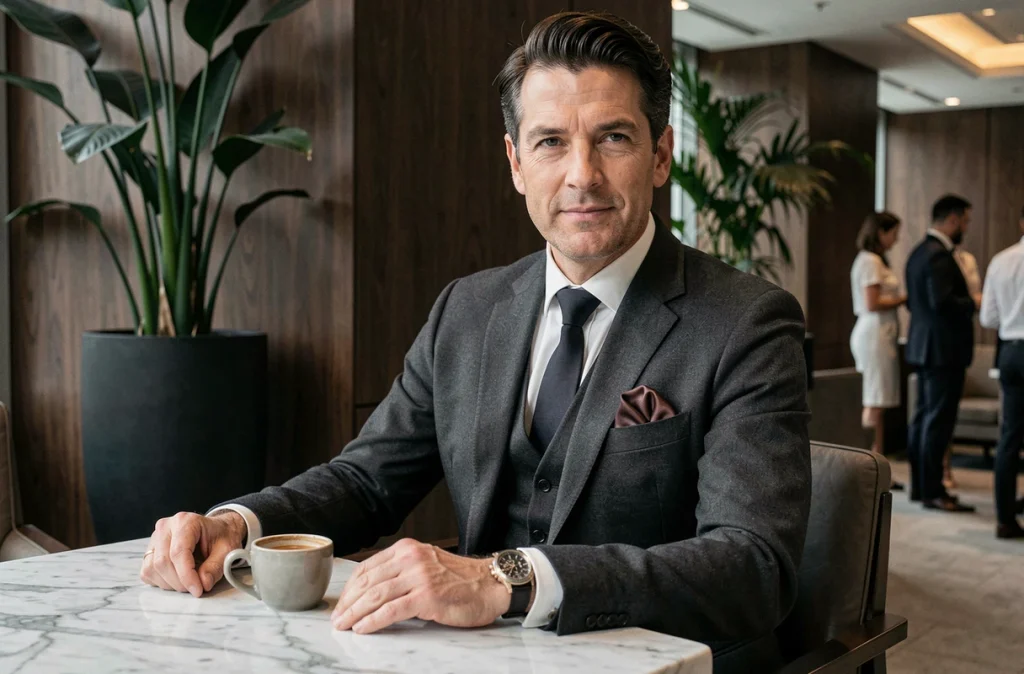
The BCG x Altagamma 2026 report documents a clear shift in purchasing motivations. The visibility of the logo is losing importance in favor of quality, craftsmanship, and timelessness. This movement, initiated in recent years under the label “quiet luxury,” has reached a level of maturity.
Specifically, the most sought-after pieces share three characteristics:
- A material quality identifiable by touch before sight, with a marked preference for wool, cashmere, and vegetable-tanned leathers
- An architectured yet discreet cut, where silhouette takes precedence over branding, in line with the neo-dandy observed on the fall-winter 2026 runways
- A sustainability claim as a selling point, where it was previously a secondary criterion compared to seasonal renewal
This shift redistributes the cards between historic houses and young brands. Brands whose textile expertise is verifiable (integrated workshops, material traceability) gain credibility. Those that relied on a strong logo without measurable artisanal substance are losing ground with the most demanding buyers.
Materials and colors for the fall-winter 2026 season
The Milan and Paris fashion shows confirmed a narrowed palette. Gray on gray dominates the men’s wardrobe, presented in varied textures to avoid monotony. For women, muted tones (deep burgundy, sage green, camel) replace the saturated colors of previous seasons.
Boiled wool and wool-silk blends are capturing the attention of artistic directors. These materials offer a structured drape without rigidity, suitable for the fluid silhouettes that characterize the season. The bag, a recurring key piece, is available in matte fine-grain leathers, far from the glossy finishes that dominated just two years ago.
Artificial intelligence in the luxury shopping journey: beyond the gadget
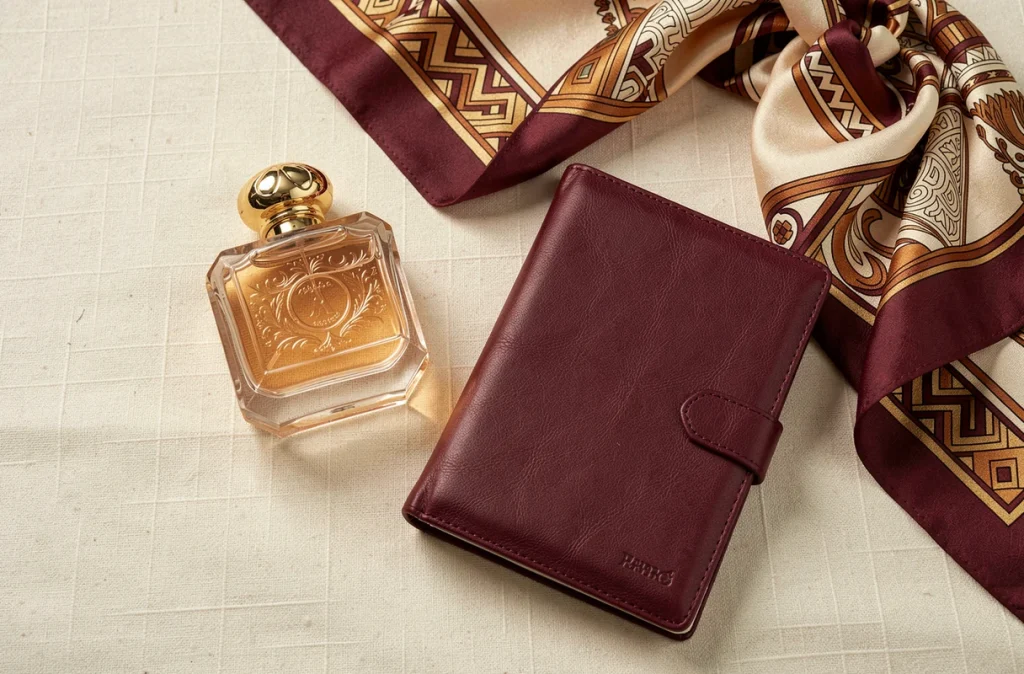
Generative AI has become commonplace in the luxury consumer shopping journey. The BCG x Altagamma 2026 report highlights that clients now expect houses to integrate this technology into the customer relationship. We are no longer talking about isolated experiments.
Concrete applications focus on three areas. Personalized advice before purchase, where a conversational assistant analyzes the client’s stylistic preferences based on their history. Product visualization, with virtual try-ons whose rendering fidelity has notably improved. And after-sales service, where AI accelerates the processing of repair or authentication requests.
The point of tension remains the compatibility between automation and the perception of exclusivity. A client spending in the ultra-high-end segment tolerates a generic chatbot poorly. Successful houses combine AI with qualified human intervention, reserving automation for logistical tasks while maintaining personal contact for advice.
Monumental retail: the flagship as a cultural destination
Luxury is heavily investing in spectacular physical spaces. Louis Vuitton with The Louis in Shanghai, Gentle Monster with Haus Nowhere in Seoul, the Chalhoub Group with Solitaire Mall in Riyadh: these projects transform the point of sale into an urban cultural landmark.
This strategy responds to a simple observation. In the face of the convenience of digital, the physical store is only justified if it offers an experience that cannot be replicated online. Houses design these locations to generate foot traffic well beyond their direct clientele, with measurable economic benefits for the surrounding neighborhoods.
The monumental flagship becomes a real estate and media asset, not just a sales channel. Signature architecture, artistic collaborations integrated into the visitor experience, and ongoing event programming create brand value that exceeds revenue per square meter.
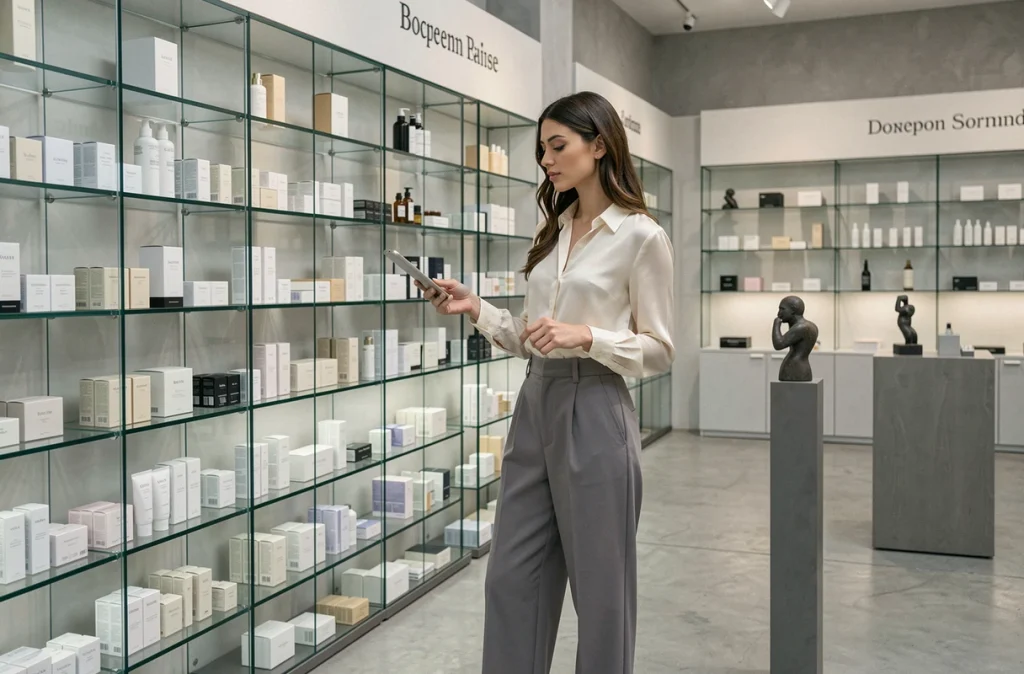
The luxury market in 2026 is understood through these key themes: European regulation that constrains production models, a clientele that prioritizes verifiable craftsmanship over ostentatious logos, technology that integrates into the journey without replacing human contact, and physical spaces designed as destinations. The houses that successfully navigate these four axes are the ones that capture spending from the most demanding clients.